
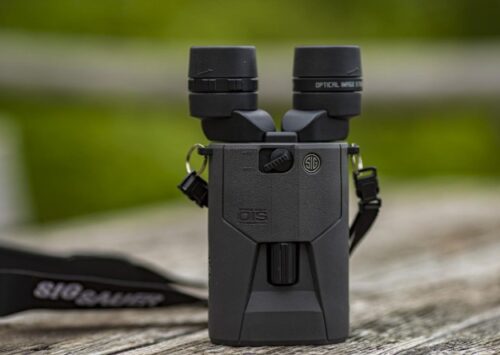
The night sky reveals its greatest wonders when you can hold a steady view, and this is where image-stabilized binoculars shine. Unlike traditional binoculars that amplify every small hand movement, the best image stabilized binoculars for astronomy use advanced technology to reduce shake and deliver remarkably stable views of the Moon, star clusters, nebulae, and even brighter deep-sky objects.
In this guide, I’ll walk you through the top image-stabilized binoculars available today and help you find the ideal model for your stargazing adventures, whether you are a beginner discovering the night sky or an experienced observer seeking sharper, steadier celestial views.
Best Image Stabilized Binoculars for Astronomy
1. Canon 10×42 L is WP Image Stabilized Binoculars
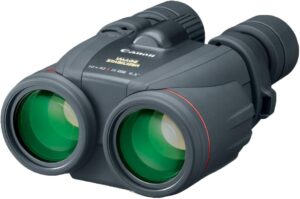
The Canon 10×42 L IS WP are the best image stabilized binoculars for astronomy. They deliver premium optical performance that stands out among high-end binoculars.
Equipped with Canon’s renowned L-series optics, these binoculars produce exceptionally sharp images with outstanding color fidelity, contrast, and edge-to-edge clarity. The 10x magnification brings distant subjects into crisp focus, while the large 42mm objective lenses gather ample light for bright viewing in a wide range of conditions.
Another impressive feature that sets these binoculars apart is Canon’s advanced Image Stabilization technology. With the press of a button, the stabilization system significantly reduces hand shake, creating a remarkably steady image that feels closer to tripod-mounted viewing. This feature allows users to enjoy the full benefit of the 10x magnification without the fatigue and image movement commonly associated with high-power binoculars.
Regarding construction, the ergonomically designed body offers a comfortable grip, and the durable construction inspires confidence during extended outdoor adventures. In addition, the rugged waterproof construction enhances their versatility further, allowing users to confidently use them in challenging outdoor environments.
Although they are heavier than many traditional 10×42 binoculars and require batteries for stabilization, the superior viewing experience, premium build quality, and exceptional optical performance make them an excellent investment for serious enthusiasts and professionals.
Pros
- Outstanding L-series optics with exceptional sharpness and color accuracy
- Effective Image Stabilization greatly reduces hand shake
- Bright, high-contrast images with excellent low-light performance
- Waterproof construction suitable for outdoor use
- Wide field of view enhances tracking of moving subjects
- Durable, premium-quality build
- Comfortable handling for extended observation sessions
Cons
- More expensive than most standard 10×42 binoculars
2. Kite Optics APC Stabilized 16×42 Binoculars
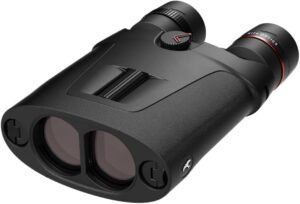
The Kite Optics APC Stabilized 16×42 Binoculars deliver an impressive blend of high magnification and advanced image stabilization, making them an excellent choice for astronomy and outdoor surveillance.
Their powerful 16x magnification allows users to observe distant subjects with remarkable detail, while the built-in stabilization system effectively minimizes hand shake that would normally make such high magnification difficult to use.
Furthermore, the wide-angle optical design creates an immersive viewing experience to help you track moving subjects more easily and maintain situational awareness. These binoculars also feature large 42mm objective lenses that gather ample light for bright, sharp images.
In real-world use, these binoculars excel when viewing distant targets without the need for a tripod. The stabilization system quickly locks the image into place, revealing fine details that often remain hidden through conventional high-power binoculars.
In addition to everything else, their ergonomic construction feels comfortable during extended observation sessions, while the durable build inspires confidence in challenging outdoor conditions.
Pros
- Powerful 16x magnification for detailed long-range observation
- Advanced image stabilization significantly reduces hand shake
- Wide-angle field of view improves subject tracking
- Bright 42mm objective lenses provide excellent image quality
- Sharp, high-contrast optics with accurate color reproduction
- Eliminates the need for a tripod in many situations
- Comfortable ergonomic design for extended use
- Durable construction suitable for outdoor environments
Cons
- Heavier than non-stabilized models
3. SIG SAUER ZULU6 HDX PRO 16x50mm
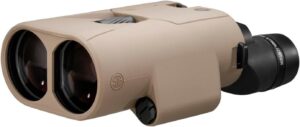
As the best image stabilization binoculars for astronomy, the SIG SAUER ZULU6 HDX PRO 16x50mm Image Stabilized Binoculars deliver an impressive combination of powerful magnification, premium optics, and cutting-edge stabilization technology.
With 16x magnification and large 50mm objective lenses, these binoculars excel at long-range observation, making distant subjects appear remarkably close and detailed.
Optically, the HDX PRO optical system uses high-quality ED glass and advanced lens coatings to maximize light transmission, reduce glare, and enhance color fidelity. Images appear sharp, bright, and highly detailed even during challenging lighting conditions such as dawn, dusk, or overcast days.
Furthermore, the wide apparent field of view also helps users track moving subjects more easily than many traditional high-magnification binoculars. The technology automatically adjusts stabilization levels based on movement, creating a remarkably steady image without requiring a tripod. This feature significantly reduces hand shake, allowing users to enjoy the full benefits of 16x magnification while maintaining excellent clarity.
Moreover, the rugged Flat Dark Earth (FDE) housing feels durable and well-balanced, while its IPX7 waterproof and fogproof construction ensures dependable performance in harsh outdoor environments.
Above all, long battery life, ergonomic controls, and comfortable handling further enhance the user experience, making these binoculars a premium choice for wildlife observation, birdwatching, marine use, and long-range viewing applications, no just astronomy.
Pros
- Exceptional image stabilization minimizes hand shake at 16x magnification
- HDX PRO ED glass delivers outstanding sharpness, contrast, and color accuracy
- Large 50mm objective lenses provide excellent light-gathering capability
- Wide apparent field of view improves subject tracking
- Waterproof and fogproof IPX7-rated construction
- Durable FDE armored housing withstands demanding outdoor use
- Comfortable ergonomics with improved focus and diopter controls
- Runs on common AA batteries with long operating life
- Automatic OmniScan stabilization system requires minimal user input
- Excellent performance for wildlife observation, birding, and long-range viewing
Cons
- Narrower true field of view than lower-powered binoculars
4. Fujinon Techno-Stabi TS-X 14×40
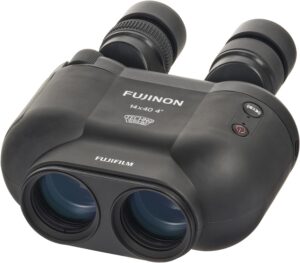
The Fujinon Techno-Stabi TS-X 14×40 Image Stabilization Binocular delivers an exceptional viewing experience for users who demand high magnification without sacrificing image stability.
Its powerful 14x magnification brings distant subjects remarkably close, while the advanced image stabilization system effectively eliminates hand shake, allowing you to observe fine details that would otherwise be difficult to see through conventional binoculars.
To complement the high zoom power, the binoculars’ fully multi-coated optics produce bright, sharp images with excellent contrast and accurate color reproduction. Moreover, the 40mm objective lenses gather ample light, helping maintain image quality in a variety of lighting conditions.
Another impressive feature is these binoculars are built with durability and performance in mind. They feature a rugged weather-resistant construction that performs reliably in challenging outdoor environments.
Additionally, these binoculars are well-engineered and the stabilization system excels in all glassing scenarios. The individual focus eyepieces also allow precise adjustments for each eye, ensuring crisp views across long observation sessions.
Although the binoculars are heavier than many traditional models, the added weight contributes to their robust construction and advanced stabilization technology. For serious enthusiasts and professionals who need uncompromising image stability and long-range viewing performance, the Fujinon Techno-Stabi TS-X 14×40 stands among the finest image-stabilized binoculars available.
Pros
- Outstanding image stabilization greatly reduces hand shake
- Powerful 14x magnification reveals fine distant details
- Sharp, bright, and high-contrast optical performance
- Excellent color fidelity and edge-to-edge clarity
- Durable weather-resistant construction
- Performs exceptionally well on boats and moving platforms
- Fully multi-coated optics enhance light transmission
- Suitable for wildlife observation, marine use, sports, and astronomy
- Comfortable for extended viewing sessions
- Reliable battery-powered stabilization system
Cons
- Significantly heavier than standard 10×42 or 8×42 binoculars
- Premium price for budget buyers
5. Canon 4625A002 15×50 is Image Stabilized Binocular
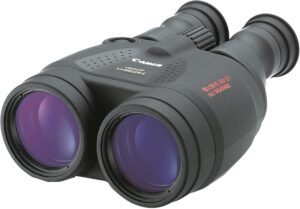
Lastly, we have the Canon 15×50 Image Stabilized Binocular. This binocular is built for users seeking high magnification without the usual frustration of hand shake.
It delivers a powerful 15x zoom paired with 50mm objective lenses that produce bright, detailed views across long distances. The striking feature is the Canon’s electronic image stabilization system. It actively compensates for small movements and makes handheld viewing noticeably steadier than traditional high-power binoculars.
Furthermore, the optics benefit from UD glass and multi-coated lenses, helping maintain color accuracy and contrast even in challenging lighting conditions.
In real-world use, the binocular are solid and purpose-built, but it is not lightweight, and extended handheld sessions can become tiring. The stabilization system runs on AA batteries, which adds convenience but also means you need to carry spares for longer outings.
Despite that, the comfort features such as adjustable eyecups, long eye relief, and smooth focusing help improve usability during extended viewing. Besides, the weather-resistant build handles light rain and outdoor conditions well, though it is not fully rugged for extreme environments.
Pros
- Excellent 15x magnification for long-distance detail
- Effective image stabilization greatly reduces hand shake
- Bright, high-contrast image from 50mm lenses and quality coatings
- Good color accuracy and sharpness with UD glass
- Comfortable long eye relief suitable for extended viewing
- Works well for wildlife, birding, marine, and astronomy use
- Operates on standard AA batteries for easy replacement
Cons
- Heavy design
- Requires batteries for stabilization feature