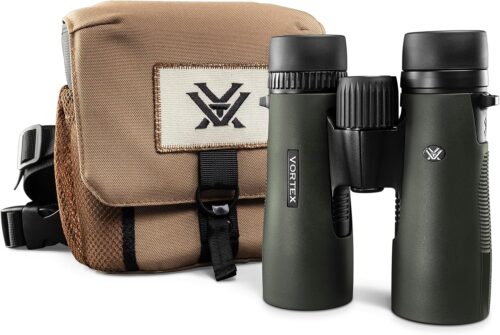
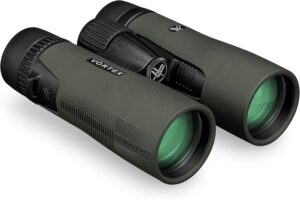
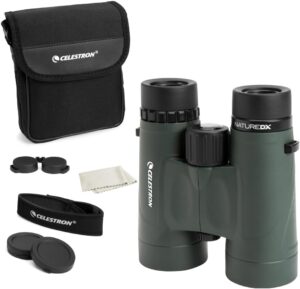
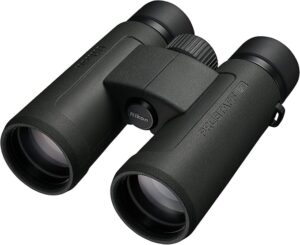
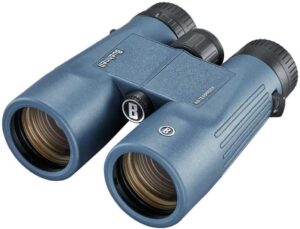
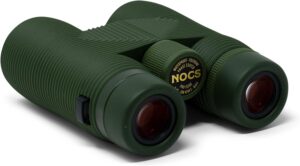
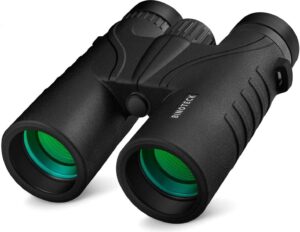
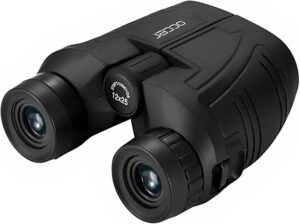
Looking for the best binoculars for beginners? This guide breaks down the best binoculars for beginners, helping you find an option that delivers clear optics, comfortable handling, and great value without overcomplicating the experience.
As a beginner, the right pair of binoculars will transform the way you experience the world around you completely. From spotting distant wildlife to enjoying sporting events and scenic landscapes in vivid detail, the ideal model should boast these features:
Choosing the best binoculars for beginners starts with understanding magnification power. For most entry-level users, something in the range of 8x to 10x magnification is ideal. Lower magnification like 8x offers a steadier image and wider field of view, making it easier to locate and track objects, while 10x provides a bit more detail at the cost of slightly reduced stability. Beginners generally benefit more from stability and ease of use than extreme zoom.
Objective Lens Size
The objective lens size is another key factor to consider because it determines how much light the binoculars can gather. A common beginner-friendly size is 32mm to 42mm. Larger lenses allow brighter images, especially in low-light conditions like dawn or dusk, but they also add weight. Balancing brightness and portability is important so the binoculars remain comfortable for extended use.
Field of View
Next, field of view plays a major role in how easy it is to spot and follow moving subjects. A wider field of view is especially helpful for beginners because it makes it simpler to locate birds, wildlife, or sports action without constantly adjusting the binoculars. Narrow fields can feel restrictive and make tracking fast movement more challenging.
Quality of Optics
The quality of the optics, including lens coatings and glass type, greatly affects image clarity and color accuracy. The best binoculars for beginners should have fully coated or multi-coated lenses to reduce glare and improve brightness.
Weight
Furthermore, weight and ergonomics are also essential considerations. Lightweight binoculars with a comfortable grip reduce fatigue during long viewing sessions. Features like rubber armor improve handling and provide protection against minor bumps and drops. A well-balanced design helps beginners maintain steady viewing without strain.
Durability
Durability and weather resistance matter if the binoculars will be used outdoors frequently. Water-resistant or fog-proof models are highly recommended because they can withstand changing weather conditions. Nitrogen-filled or sealed bodies prevent internal fogging, ensuring clear vision even in humid or rainy environments.
Ease of Focusing
Ease of focusing is another important factor, especially for those new to binoculars. A smooth central focusing wheel and an adjustable diopter make it easier to achieve sharp images quickly. Beginners benefit from simple, intuitive controls that don’t require constant readjustment while observing moving subjects.
Budget
Finally, budget and overall value should guide the decision. The best binoculars for beginners don’t need to be expensive, but they should offer a good balance of performance, durability, and comfort. Investing in a reliable mid-range model often provides a better long-term experience than choosing the cheapest option, which may compromise optical quality and usability.
Related:
Tips for Using Binoculars as a Beginner
Getting clear, steady views with binoculars takes a bit of practice, but a few simple habits will make a big difference in your experience.
1. Adjust the interpupillary distance first. Before you start observing, adjust the two barrels so the eyepieces line up comfortably with your eyes. This helps you see a single, clear circular image instead of a double view.
2. Start with the lowest magnification setting (if variable). If your binoculars have zoom, begin at the lowest magnification. It’s easier to locate objects first, then increase zoom once your target is centered.
3. Use both hands for stability. Hold binoculars with both hands and keep your elbows close to your body. This reduces shaking and gives you a steadier image, especially at higher magnifications.
4. Focus on a stationary object first. Practice by focusing on still objects like trees or buildings before moving to birds or moving subjects. This helps you learn how the focusing wheel responds.
5. Adjust focus slowly and carefully. Turn the central focusing wheel gradually until the image becomes sharp. Quick or excessive adjustments can make it harder to find clarity.
6. Use the diopter adjustment correctly. Set the diopter (usually on the right eyepiece) to match differences between your eyes. Do this once for your vision, then rely on the main focus wheel for daily use.
7. Avoid over-zooming on moving subjects. At higher magnification, even small movements become exaggerated. For birds, sports, or wildlife, slightly lower magnification often gives a clearer, steadier view.
8. Keep your lenses clean and protected. Use a microfiber cloth to gently clean the lenses and always store your binoculars in a case. Clean optics ensure brighter and sharper images over time.
Best Binoculars for Beginners Care and Maintenance Tips
Follow these care and maintenance tips to extend your binoculars’ lifespan and maintain optical clarity.
1. Store in a protective case. Always keep your binoculars in a padded case when not in use. This protects them from dust, accidental drops, and scratches that can damage the lenses or body.
2. Clean lenses gently and correctly. Use a microfiber cloth or a lens cleaning brush to remove dust and smudges. Avoid using rough materials like tissue or clothing, as they can scratch the lens coating.
3. Use lens cleaning solution sparingly. If needed, apply a small amount of lens-safe cleaning fluid to the cloth and not directly onto the lens. This helps remove stubborn marks without damaging coatings.
4. Avoid touching the lenses with fingers. Fingerprints contain oils that blur vision and attract dust. Hold binoculars by the body instead of the eyepieces or objective lenses.
5. Keep binoculars dry and moisture-free. Even if they are water-resistant, always dry them after exposure to rain or humidity. Store them in a dry place to prevent mold or internal fogging.
6. Avoid extreme temperatures. Do not leave binoculars in hot cars or freezing environments for long periods. Extreme temperatures can damage internal seals and affect alignment.
FAQs
- What does numbers mean in binoculars?
The first number in binoculars configuration is magnification and the second number is the diameter of the objective lens in millimeters. In a 8×42 binocular which is often more stable, brighter, and beginner-friendly, for example, 8x is the magnification power while 10x is the size of the objective lens.. o
- Are compact binoculars good for beginners?
Yes, compact binoculars are great for portability and travel. However, they may not perform as well in low-light conditions compared to full-sized models, so they are best for casual daytime use.
- Can beginners use binoculars for astronomy?
Yes. Beginners can use binoculars for stargazing. Models like 7×50 or 10×50 are often preferred because they gather more light, making stars and moon details clearer.
- How do I know if binoculars are good quality before buying?
Check for multi-coated lenses, smooth focusing, solid build quality, and clear image reviews. Whenever possible, test them to see if the image is sharp, bright, and free from distortion.
Parting Words
In conclusion, finding the best binoculars for beginners is less about advanced specifications and more about choosing a model that supports ease, comfort, and consistent performance. A well-balanced pair with moderate magnification, such as 8x or 10x, combined with a versatile lens size, gives beginners a stable and clear viewing experience without overwhelming them with complexity. This balance is what makes early use enjoyable and encourages continued interest.